Discover the fantastic wildlife at the Trap Grounds Nature Reserve. This self guided walk will allow you to discover more and hopefully begin noticing wildlife you may have missed. Happy wandering! There isn't a set route to walk around the reserve, so follow your feet around the loops and enjoy the habitats.
Tucked away in north Oxford, the Trap Grounds is a rare and precious pocket of wild space. Designated as a Town Green and Local Wildlife Site, this reserve is a mosaic of ponds, reed beds, wet woodland, and meadow—home to an extraordinary variety of plants and animals. Amazingly this used to be a rubbish dump!
As you wander through, you’ll move between distinct habitats, each with its own sights, sounds, and seasonal highlights. Keep your senses alert: a rustle in the reeds, a flash of blue over water, or birdsong overhead might reveal the hidden life of the reserve.
________________________________________

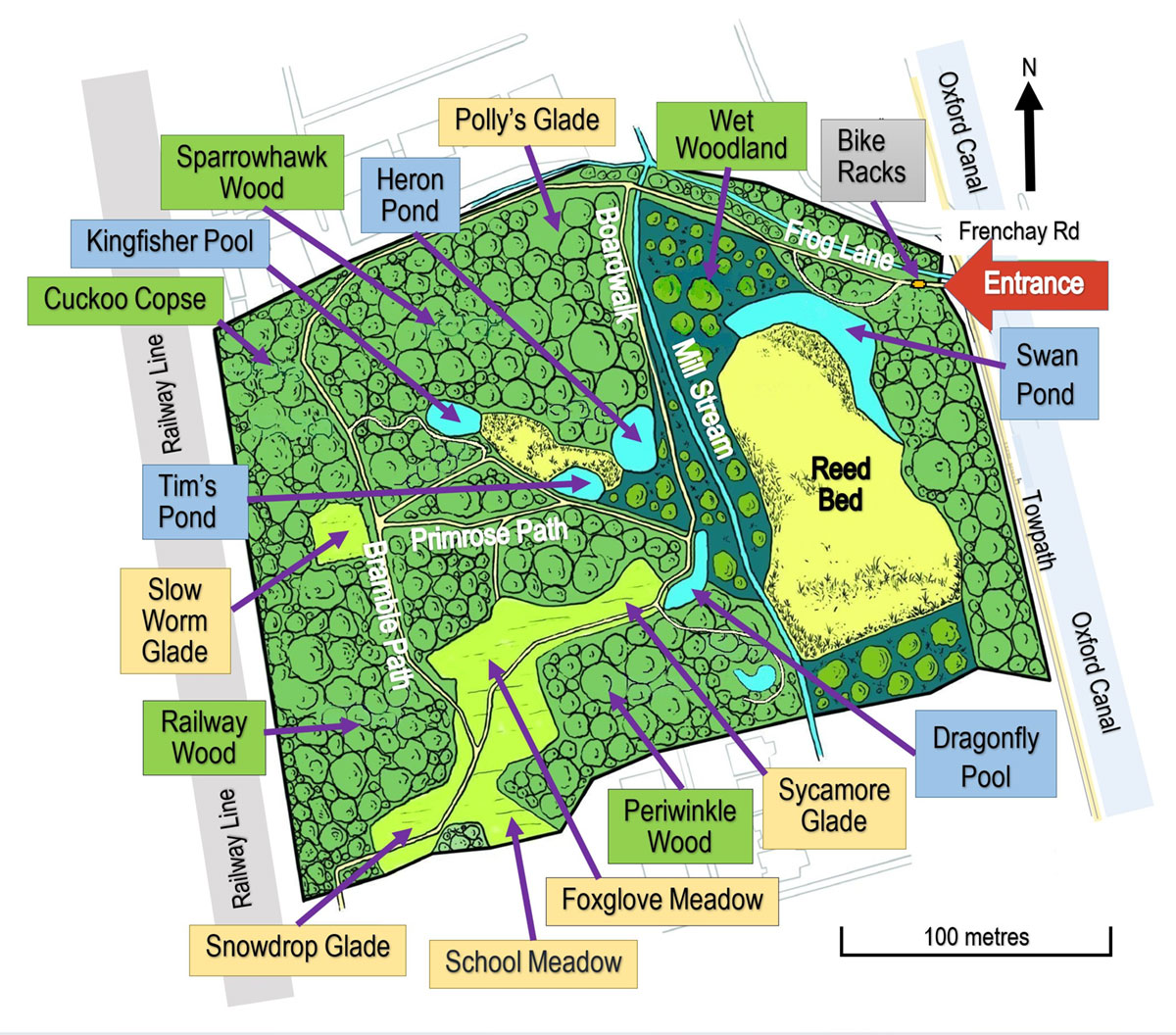
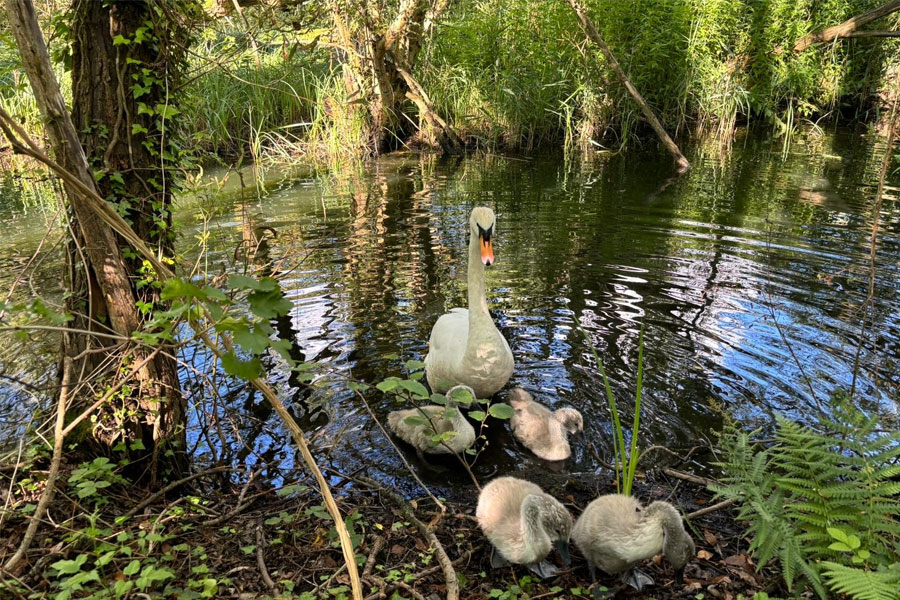
A peaceful starting point, Swan Pond is fed by gravel-filtered water and bordered by a rich reed bed covering around two acres.
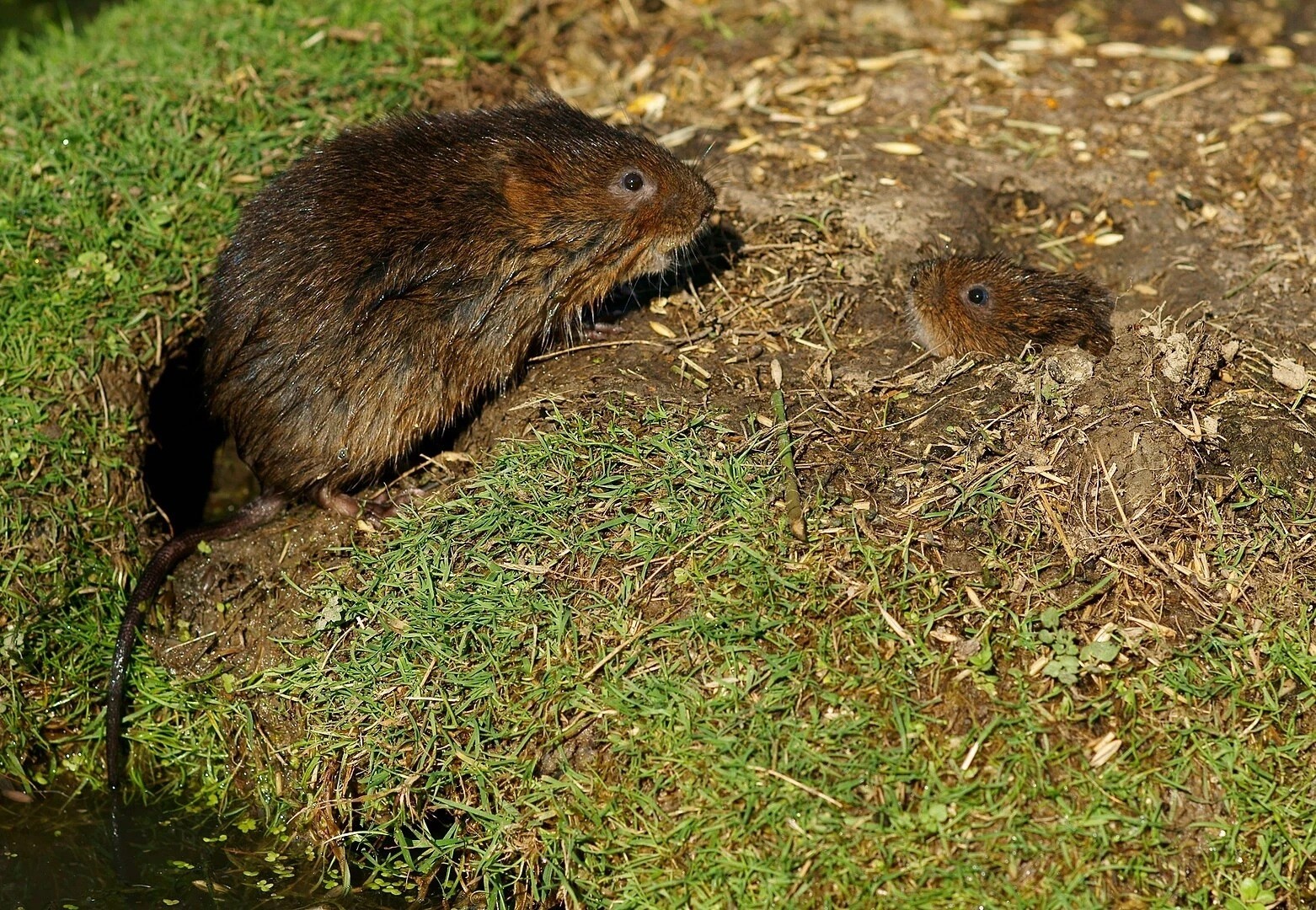
Here you might spot elegant swans gliding across the surface, or, if you’re lucky, the quick dart of a kingfisher. Listen carefully for the secretive water rail calling from within the reeds. Water voles have also been recorded here, adding to the pond’s ecological importance.
On misty mornings, this is one of the best places in the reserve to experience the atmospheric, low-lying fog over the water.
Species you might see:
• Mute Swans, Mallards, Moorhens and Teal on the water
• The Willow Emerald Damselfly
• The flash of a Kingfisher hunting along the edges
• The elusive Water Rail, more often heard than seen within the reeds
"Just a decade ago, the Willow Emerald Damselfly had only been reliably recorded in the UK on 2 occasions, in 1979 and 1992. A single individual was then recorded in south east Suffolk during 2007, followed in 2009 by a sudden boom of 400 records of the species from this same general area (SE Suffolk/NE Essex). Since this time, the Willow Emerald has spread rapidly across the south-east of England, gaining footholds in new counties on a yearly basis. The natural colonisation and spread of this damselfly in the UK is incredible. It is important we track the species in order to understand how it is spreading so rapidly and what might limit the species in the future. For this reason, the BDS have developed the ‘Willow Emerald Watch’ project." - British Dragonfly Society (Find out more or get involved! Willow Emerald Watch - British Dragonfly Society)
"In 2020, Willow Emeralds arrived on-site (best seen at the Swan Lake viewpoint near the entrance). The Trap Grounds is probably the most reliable site in the county for this new arrival" - Oxon Dragonfly Recorder (Oxon Dragonflies: Sites Part 2)

________________________________________
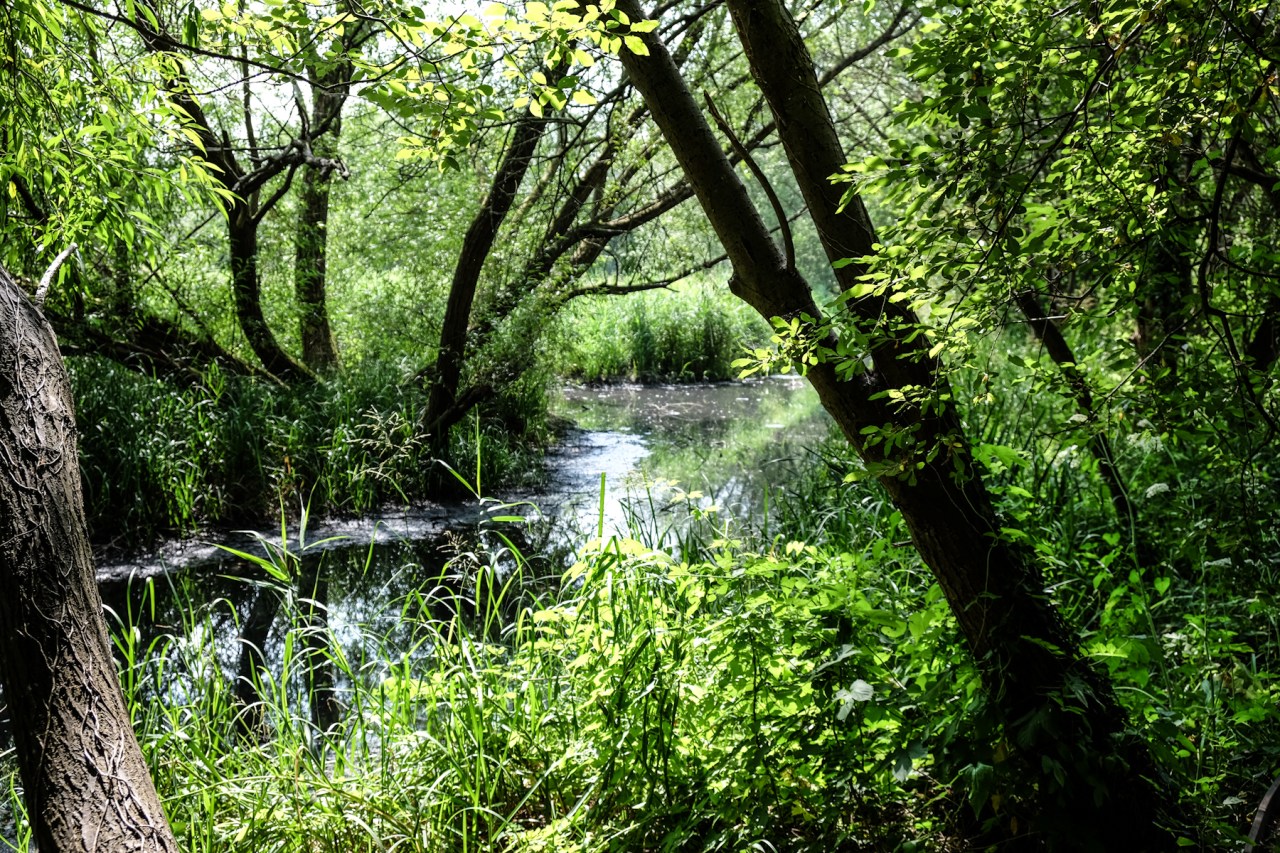
This historic pathway was once known as “My Lady’s Way,” a medieval route leading to a nearby nunnery.
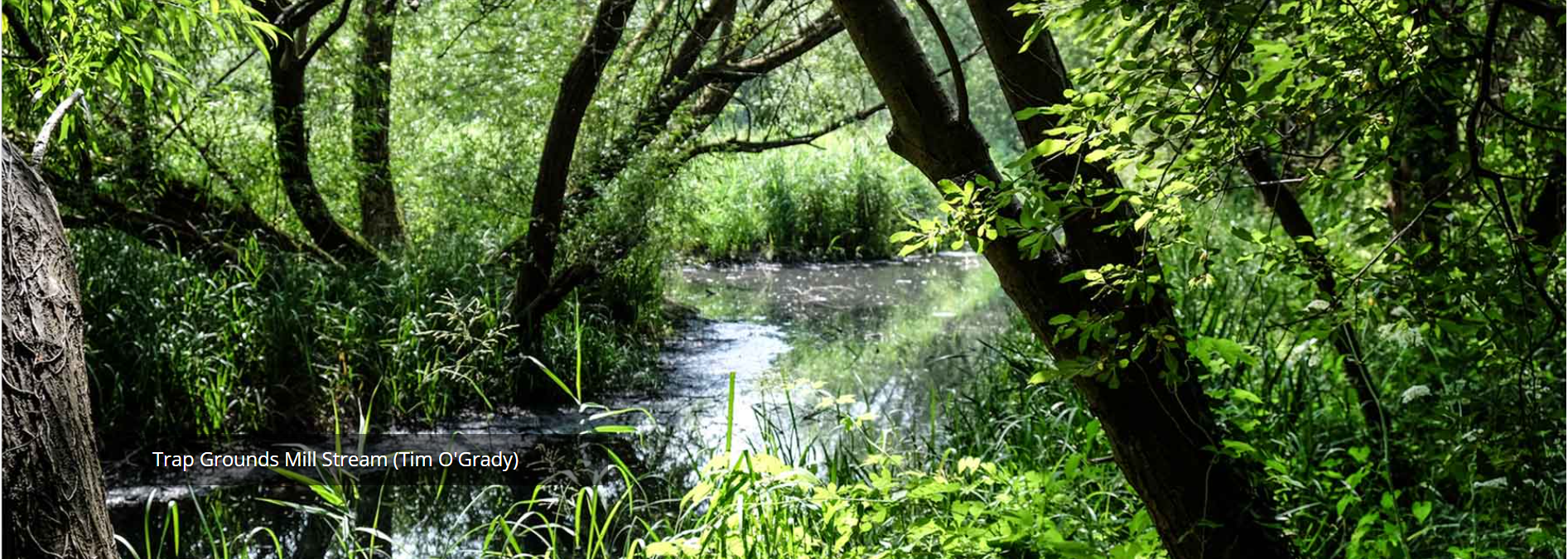
Today, it winds through scrub and woodland, alongside the stream and is alive with birdlife. This path will take you to the boardwalk. Look and listen for:
• Robins, Wrens, and Dunnocks in the undergrowth
• Blackcaps and Chiffchaffs singing in spring
• Long-tailed Tits and Goldcrests in the trees
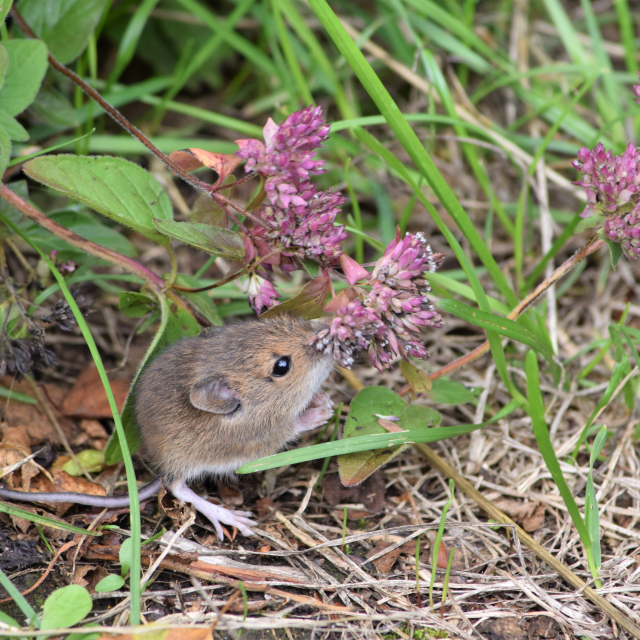
You may also spot small mammals such as wood mice and bank voles moving through the vegetation.
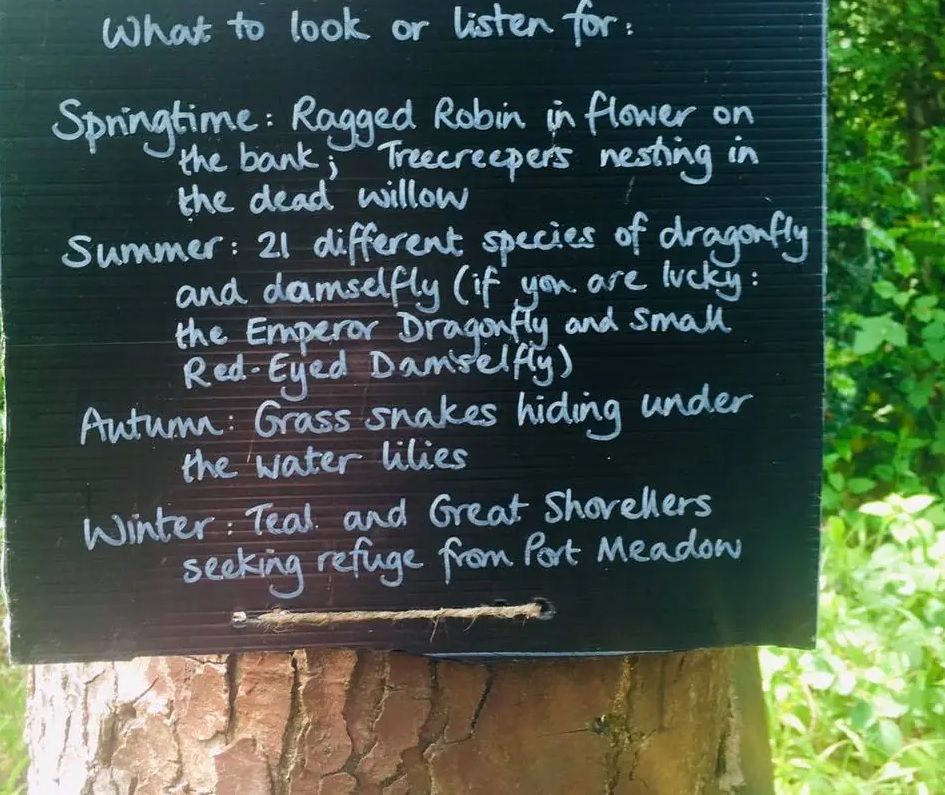
Keep an eye out for the blackboard signs throughout the reserve—they change throughout the year and highlight what wildlife is most active / visible during your visit, helping you tune into the seasonal rhythms of the reserve.
________________________________________
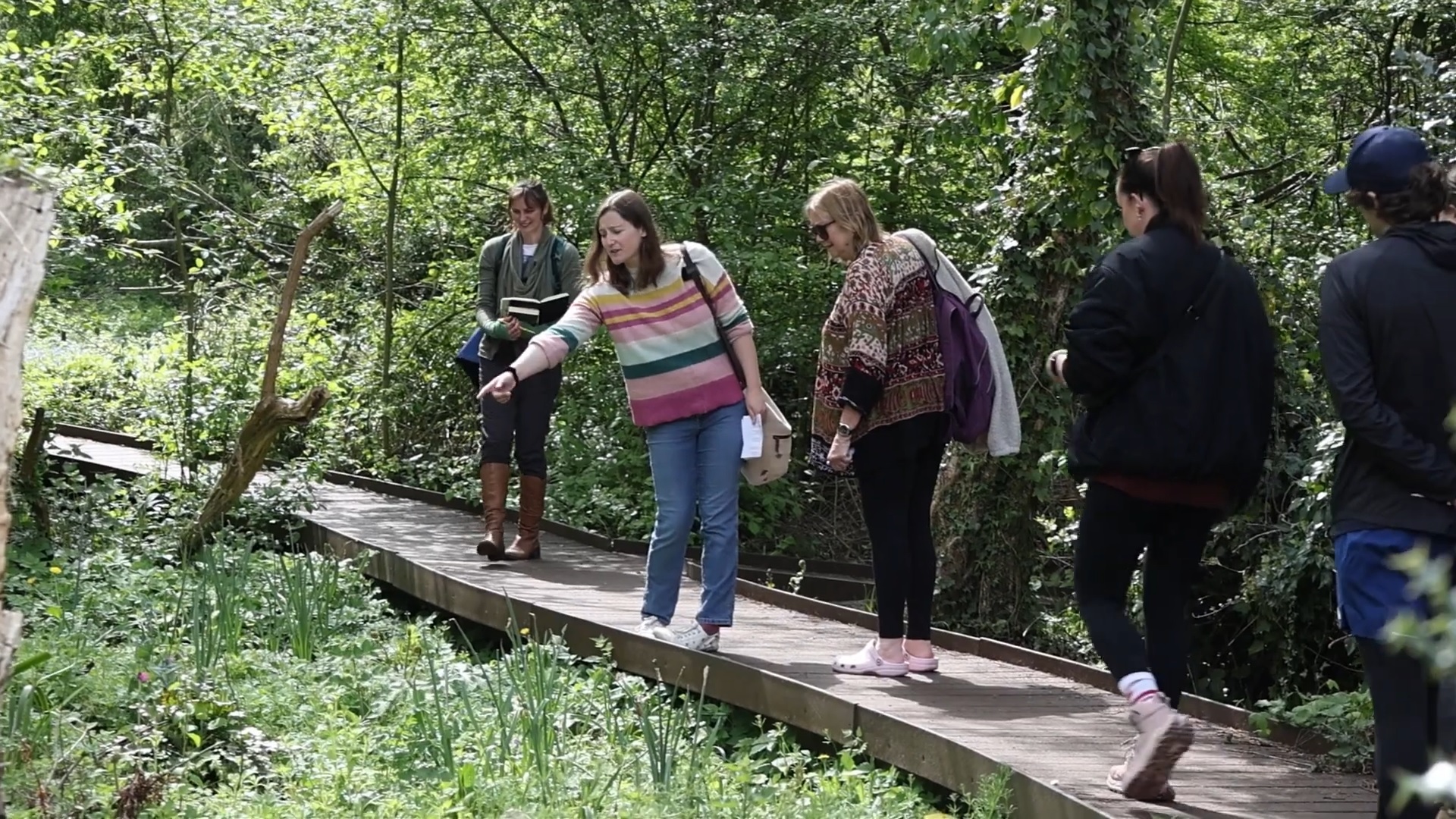
The boardwalk, constructed from recycled plastic, carries you gently along the woodland stream.
Below and around you, the ground is often damp and alive with plant life. Ferns thrive here, and the nearby stream adds to the sense of quiet enclosure.
Here you might encounter:
• Grey Heron
• Great Spotted and Green Woodpeckers in the trees
• Treecreepers spiralling up bark in search of insects
• The wetter ground supports amphibians such as Frogs, Toads, and Smooth Newts, while Grass Snakes may occasionally be seen basking nearby.
________________________________________
This open area, now a hub for visiting school groups, has a long history; within living memory, it was used for milking cows.
Today, it’s a great place to pause and observe. In warmer months, you might spot nesting Bumblebees, particularly Black and Tawny species, moving busily around the nest entrances. These bees are not dangerous when watched politely as they are not aggressive and won’t chase you. Please observe them respectfully from a little distance and don’t disturb the area they’re nesting in.
• Bumblebees (including black and tawny species) nesting nearby
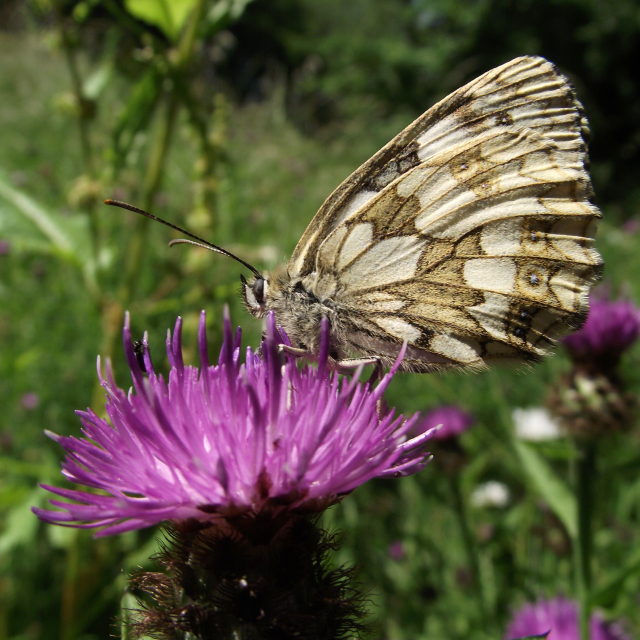
• Butterflies such as Brown Hairstreak and Silver-washed Fritillary
The surrounding scrub also attracts finches like Goldfinches and Bullfinches feeding on seeds.
________________________________________

Heron Pond lives up to its name, offering another chance to spot one. Nearby, lush ferns create a soft green backdrop.
Close by is the Dragonfly Pond, one of the reserve’s most vibrant summer spots. Of the 33 species of Dragonfly recorded in Oxford, an impressive 22 have been found in the Trap Grounds and this pond has been a favourite for them through the summer months. On sunny days, you may see them resting on Lily pads, wings shimmering in the light.

________________________________________
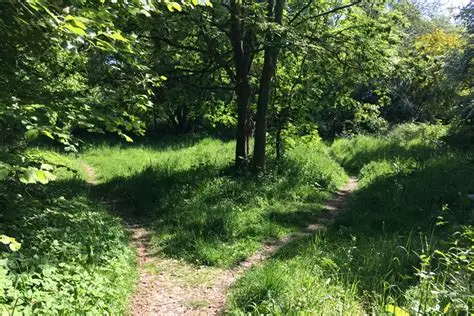
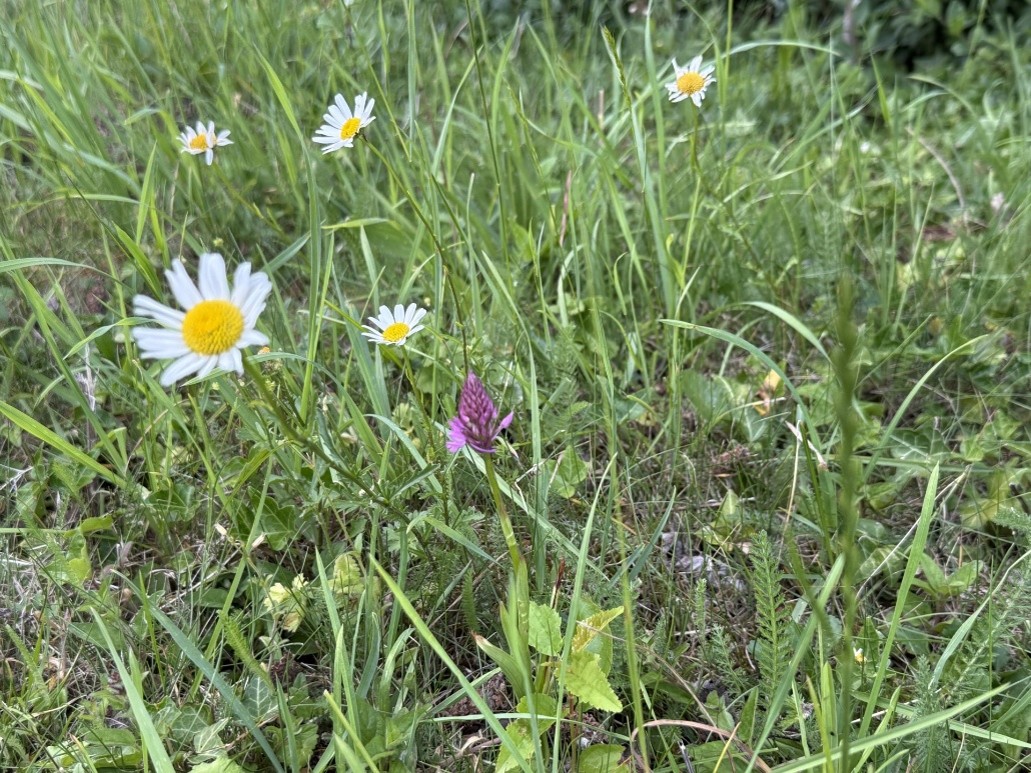
As the path opens out, you’ll find yourself in a wildflower meadow.
Look for the apple tree and patches of Marsh Marigold adding bright colour to the grasses. This area attracts pollinators and offers a contrast to the wetter habitats you’ve just passed through.
Look out for:
• Marsh Marigold and other native flowering plants
• Hay-rattle and Great Mullein among the grasses
• Butterflies and moths (66 species recorded!)
• Seed-eating birds such as finches
Small mammals like Field Voles also thrive here, providing prey for predators such as Foxes and Weasels
________________________________________
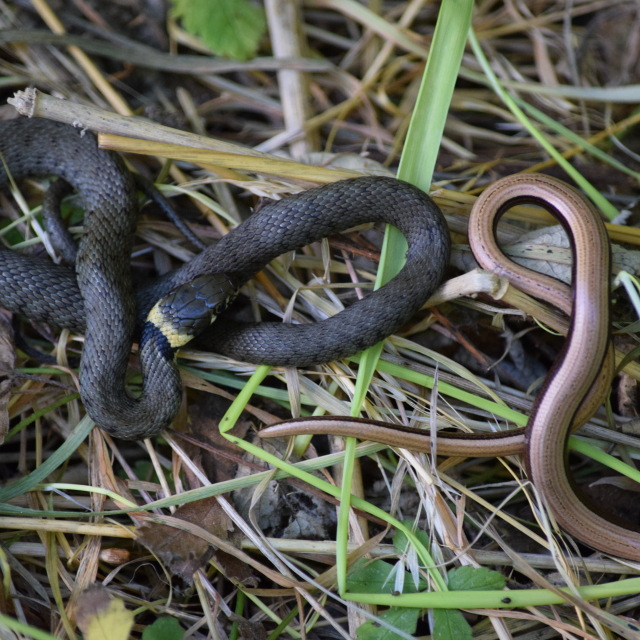
This specially managed area supports one of the reserve’s most remarkable populations. Slow Worms (legless lizards) are abundant here, with many recorded during annual surveys.
You may also encounter:
• Common Lizards
• Grass Snakes in nearby damp areas
Felt mats are used to monitor the slow worms — Please resist the temptation to lift them, as they provide important shelter for these elusive creatures and vital data for slow worm conservation efforts. If the mats are lifted too often, the slow worms will no longer use them and we can longer monitor them.
________________________________________

Throughout your walk, the plant life changes with the seasons. Some species you might notice include:
• Winter Heliotrope, often one of the first signs of the year turning
• Butterbur, historically used to wrap butter and appearing in late spring
• Loddon Lily, a delicate and local speciality
• Marsh Marigold (fondly known as “mollyblob”) brightening wet areas
• Honeysuckle, adding scent and structure to the woodland edges
The woodland also contains Spurge Laurel—an indicator of long-established woodland—and a mix of native and naturalised plants that provide food and shelter for insects and birds.
________________________________________
As dusk falls, the reserve comes alive with nocturnal activity.
Recorded species include:
• Pipistrelle
• Noctule
• Lesser Horseshoe
• Greater Horseshoe
They can often be seen feeding over the reed beds and ponds, taking advantage of the rich insect life. Bat boxes placed around the site support these nocturnal hunters, monitored through annual surveys.
________________________________________
To find out more about this special place and how it is cared for, as well as to see some fabulous photography and lists of wildlife sightings, head over to The Friends of the Trap Grounds website.


.jpg)
.JPG)