
Since stepping into my Apprenticeship as Communications Coordinator at Wild Oxfordshire in November 2025, it’s been full‑speed learning from day one.
Whether that be gaining a practical understanding of how local conservation work happens on the ground, or attending seminars, group projects, and workshops as part of my apprenticeship in content creation, I’ve been able to combine hands‑on environmental experience with informed, and always creative, techniques in the world of professional communications.
What made the role so exciting was that it was completely new. With communication and storytelling becoming ever more important, I had the freedom to shape my own approach while highlighting Wild Oxfordshire’s work and championing nature wherever possible.
Truthfully, further education didn’t feel like an option that was open to me, especially without taking on even more debt to pay for another degree. But stepping into this apprenticeship has shown me that learning doesn’t have to follow a straight line. The chance to move into a completely new form of training, while working alongside it, has given me a different but no less valuable way of learning, one where you can see your efforts reflected back at you and experience their impact in your professional life.
It’s been a lot to squeeze into 8 months, but the weeks have flown by…..here are some of the highlights:
Storytelling is never a unilateral process. And if I could take one thing away from working at Wild Oxfordshire, it is that conservation most certainly isn’t either. At Wild Oxfordshire, we work with countless partners, networks, landowners, local authorities, and individuals to create the positive outcomes that I now have the pleasure of showcasing to our network and beyond.
Communication is essential in not-for-profit organisations, especially one such as Wild Oxfordshire. We are a charity centred around its partnerships, and so naturally we have a lot of partners that we want to share our work with, as well as individuals that we may not have previously reached, especially young people and those living in more urban areas. And this communication not only increases understanding of the complexity of wildlife conservation (it really takes a village!), but is the basis for establishing and maintaining good relationships.
Alongside my hands-on role at Wild Oxfordshire, my content‑creation apprenticeship has shaped a big part of how my working day looks. I had developed communication skills as part of my master's in journalism, such as storyboarding, media law, and press relations, but 8 months and 5 assignments in, the Content Creation apprenticeship has guided me to have more creative control over my work – the key to comms often is imagination, and allowing yourself to have a bit of fun, when required. With a keen focus on developing and creating content that engages an audience, so far I’ve researched and practised audience segmentation, brand building, photography, and short form videos, with even more still to learn!
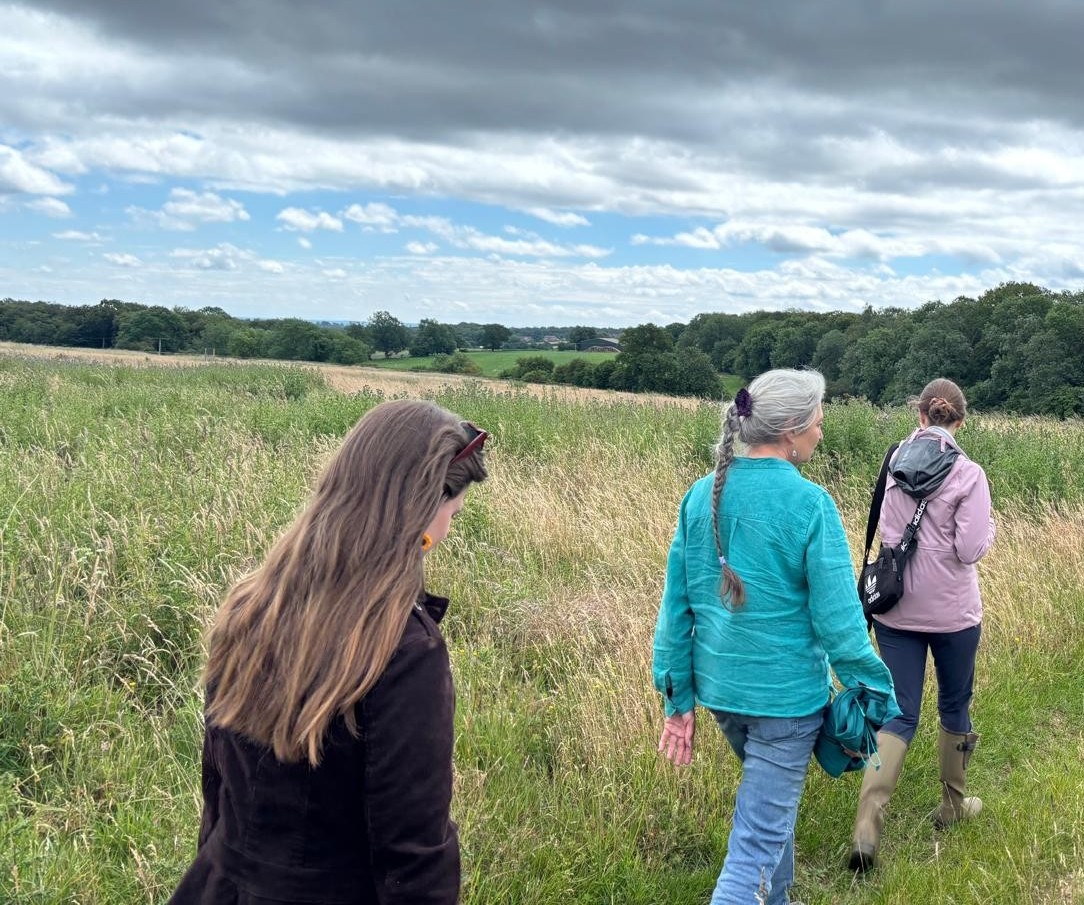
Simply put, I don’t have the traditional qualifications I once assumed were necessary for a job in the environmental sector. I didn’t study ecology or environmental science at university; my undergraduate degree was in Criminology, which felt like a world away from bees, birds and biodiversity. But my passion for the natural world goes back much further than my academic choices - I started volunteering with my local Wildlife Trust when I was 16. And even though my academic studies took me in a different direction, nature and climate advocacy has always been there in the background, expressed and nurtured via an assortment of voluntary and student-led initiatives. And so, this apprenticeship has finally given me the chance to develop that enthusiasm into a career. And really, if you care that deeply about something, doing it as your job isn’t half bad!
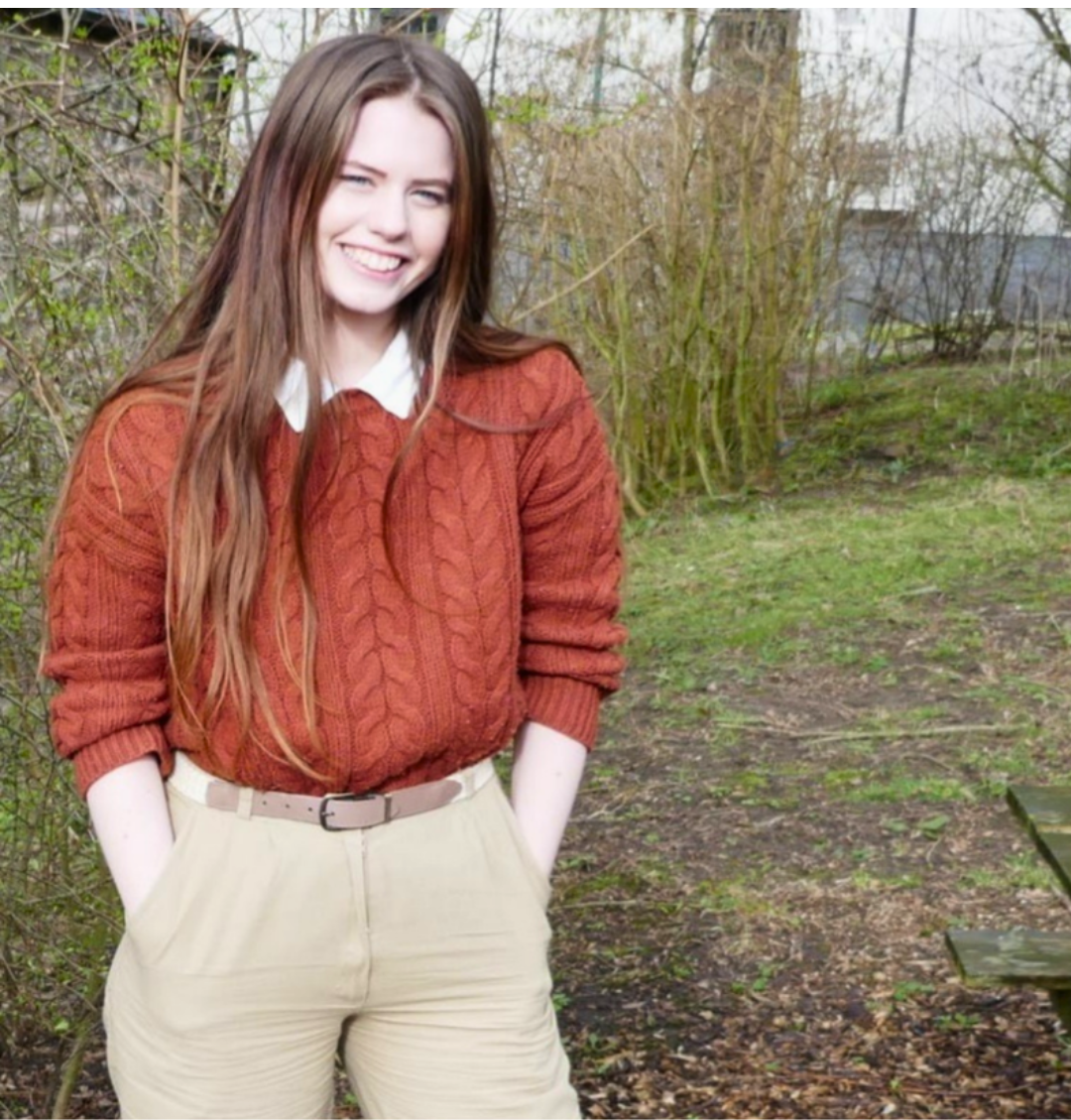
Now, every conversation, and every event has helped me build confidence in my understanding of the sector, and more importantly, where I fit within it. I may not have the background in ecology, but that by no means dictates that my strengths cannot still be utilised in this field through storytelling, media relations, and creative endeavours.


.jpg)